Your door locks are one of the most important parts of your home security, but they are often something people only think about when a problem occurs.
In many cases, a lock will continue to work for years without any obvious issues. However, there are several situations where changing the locks is a sensible precaution, even if the existing lock still appears to work correctly.
Whether you have recently moved house, lost a set of keys or noticed that your lock is becoming difficult to operate, replacing the lock or cylinder can help restore security and give you greater control over who has access to your property.
1. You Have Just Moved Into a New Home
Moving into a new property is one of the most common reasons to change the locks.
Even if the previous owner or tenant has handed over all the keys they have, there is no simple way of knowing how many additional copies may have been made over the years.
Spare keys may have previously been given to:
- Family members
- Neighbours
- Cleaners
- Tradespeople
- Estate or letting agents
- Previous tenants or occupiers
Changing the locks allows you to start again with a new set of keys and know exactly who has access to your home.
If your doors use euro profile cylinders, it may be possible to replace only the cylinder rather than the complete locking mechanism. Bolton Lock Company supplies a wide range of replacement cylinders for domestic doors.
2. You Have Lost Your Keys
Losing a house key does not always mean that someone will use it to enter your property, but it can be difficult to know where the key has ended up.
If a key has been lost close to your home, together with anything that identifies your address, changing the lock should be considered particularly important.
You may also want to replace the lock if an entire set of keys has disappeared or if you cannot confidently account for where the keys were lost.
Replacing the cylinder or lock means the missing key will no longer operate the door.
3. Your Keys Have Been Stolen
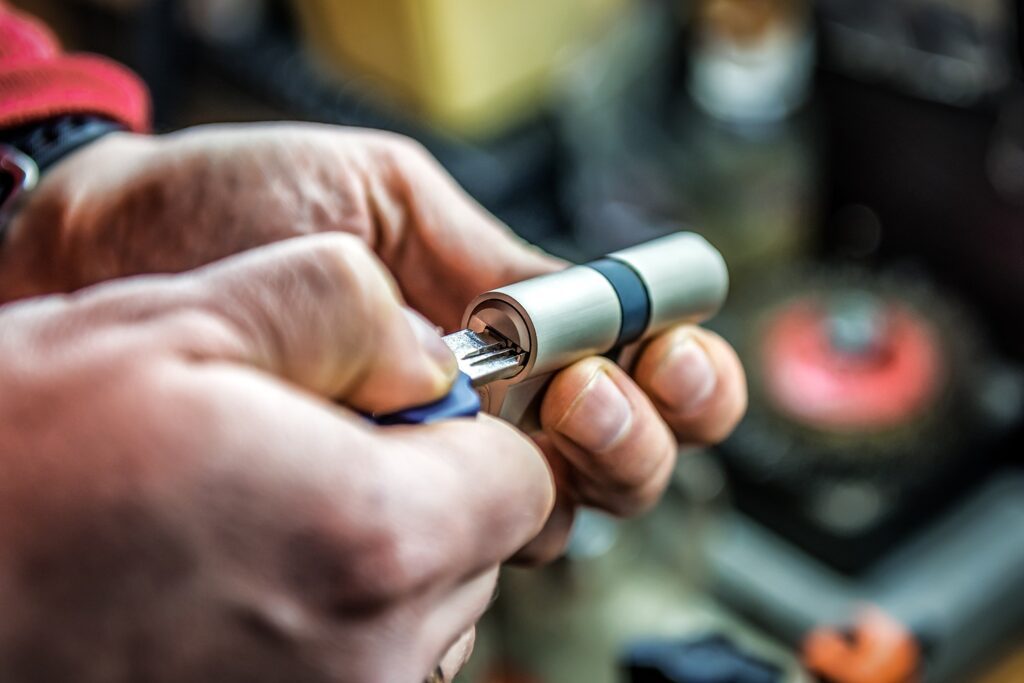
If your house keys have been stolen, changing the affected locks is a sensible security measure.
This is particularly important if the keys were taken alongside a handbag, wallet, identification or other belongings that could make it possible to identify your address.
In this situation, replacing the locks removes the risk of the stolen keys being used later.
Depending on the type of door, you may only need a replacement cylinder. Alternatively, an older mortice lock, rim lock or another type of locking mechanism may need to be replaced or reconfigured.
Bolton Lock Company’s Locks and Keys department covers a wide range of household locking systems and replacement keys.
4. Your Lock Is Becoming Difficult to Operate
A lock should operate smoothly without excessive force.
If you regularly have to move the key backwards and forwards, lift or pull the door excessively or force the key to turn, there may be a problem with the lock, cylinder or door alignment.
Common warning signs include:
- A key that is difficult to insert or remove
- A key that feels stiff when turning
- A lock that occasionally jams
- A loose cylinder or handle
- A key that has started bending or showing excessive wear
- A door that needs to be pushed, pulled or lifted before it will lock
These problems should not be ignored. Continuing to force a stiff lock can eventually result in a damaged mechanism or a broken key.
It is also worth remembering that the lock itself may not always be the cause. Door movement, worn hinges or problems with a multipoint locking mechanism can create similar symptoms.
5. The Lock Is Old or Offers Limited Security
Lock technology changes over time, and older locks may not provide the same level of protection as newer security-rated products.
This is particularly relevant to older euro profile cylinders fitted to UPVC and composite doors.
Modern security cylinders are available with features designed to provide additional resistance against methods of attack such as snapping, drilling, picking and bumping.
For homeowners looking to improve the security of an existing door, Bolton Lock Company supplies British Kitemarked star-rated cylinders, including 3-star security options.
Upgrading the cylinder can often improve the security of the door without the need to replace the complete locking mechanism.
6. You Have Had a Break-In or Attempted Break-In
Any door or lock that has been attacked during a burglary or attempted burglary should be carefully inspected.
Even if the lock still appears to work, components inside the cylinder or locking mechanism may have been damaged or weakened.
You should look for signs including:
- Damage around the cylinder
- Scratches or tool marks
- A loose lock or handle
- A bent or distorted door
- Damage to the frame or keeps
- A lock that feels different when operated
Replacing the damaged lock also gives you an opportunity to consider whether a higher-security product would be more appropriate.
7. Someone Has Moved Out of the Property
There are situations where you may want to change the locks after someone leaves a property, particularly if you cannot be certain that every copy of the key has been returned.
This could apply following a tenancy change, a change in housemates or other circumstances where access to the property needs to be controlled again.
For landlords, changing or reconfiguring locks between occupiers can also help maintain clear control over who has keys to the property.
8. A Key Has Broken in the Lock
A broken key does not automatically mean that the entire lock needs replacing.
In many cases, a locksmith may be able to remove the broken section and check whether the lock continues to operate correctly.
However, keys often break because either the key or the lock has already become worn.
If the lock is stiff, damaged or excessively worn, replacing it may prevent the same problem from happening again.
Bolton Lock Company has extensive experience in lock and key services, including key cutting and working with a wide range of domestic and commercial locking systems.
9. You Want to Upgrade Your Home Security
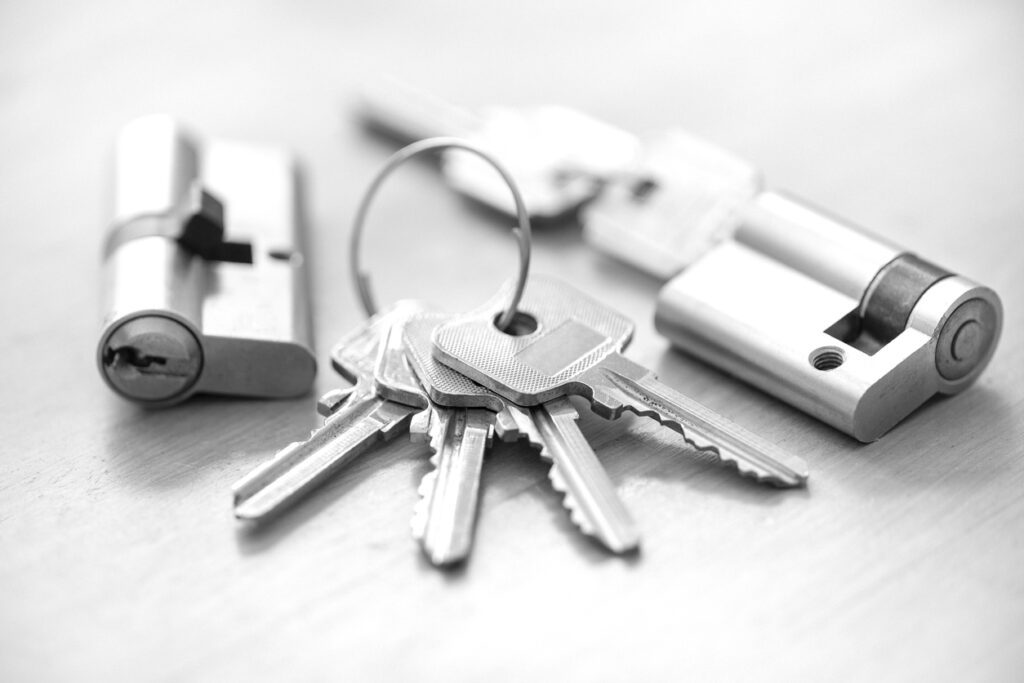
You do not have to wait for a lock to fail before replacing it.
If you are reviewing the security of your home, upgrading older locks can be a straightforward place to start.
Depending on the type of door, this may include fitting:
- Higher-security euro profile cylinders
- British Kitemarked cylinders
- 3-star security cylinders
- Replacement mortice locks
- Improved door furniture
It is important to consider the complete door rather than simply looking at the cylinder in isolation. The lock case, door handles, hinges, frame and general condition of the door can all play a part in its overall security.
Do You Need to Replace the Whole Lock?
Not necessarily.
On many modern doors, particularly UPVC and composite doors, the euro cylinder can be changed separately from the multipoint locking mechanism.
This can make replacing lost keys or upgrading security relatively straightforward.
With traditional mortice or rim locks, a different approach may be required. In some cases, an existing lock can be re-levered or serviced, while in others replacement may be the more appropriate option.
The important thing is to identify the type of lock correctly before ordering replacement parts.
Should You Change Every Lock to the Same Key?
If your property has several external doors, it may be possible to arrange compatible cylinders so that a single key operates more than one lock.
This is commonly known as having locks keyed alike.
It can provide a more convenient alternative to carrying several different keys, provided the locks and cylinders are suitable for the arrangement.
For larger properties and commercial premises, more advanced master key systems can also provide different levels of access across multiple doors.
How Often Should House Locks Be Replaced?
There is no fixed number of years after which every domestic lock must automatically be replaced.
A good-quality lock that is correctly fitted, properly maintained and working smoothly may provide many years of reliable service.
Rather than changing locks according to a set timetable, it is more useful to consider their condition, security level and whether control of the keys has been compromised.
If you are unsure how old your locks are, what security standard they provide or whether they are suitable for your doors, having them checked can help identify whether an upgrade is worthwhile.
Need Advice About Replacing Your Home Locks?
Bolton Lock Company Ltd has been providing specialist lock, safe and key-cutting services to domestic and commercial customers for over 30 years.
We stock a comprehensive range of locks and keys, including replacement cylinders and British Kitemarked star-rated security cylinders.
If you have moved home, lost your keys or simply want to improve your existing door security, our experienced team can help identify the most suitable lock or cylinder for your requirements.